Category: Food

Discover delicious recipes, cooking tips, meal ideas, and food inspiration for every occasion. Our Food category covers easy home-cooked meals, healthy recipes, international cuisines, desserts, quick snacks, and practical kitchen tips to help you enjoy better cooking and everyday eating.

  • Best Protein Powders for Meal Preparation in 2026

    Best Protein Powders for Meal Preparation in 2026

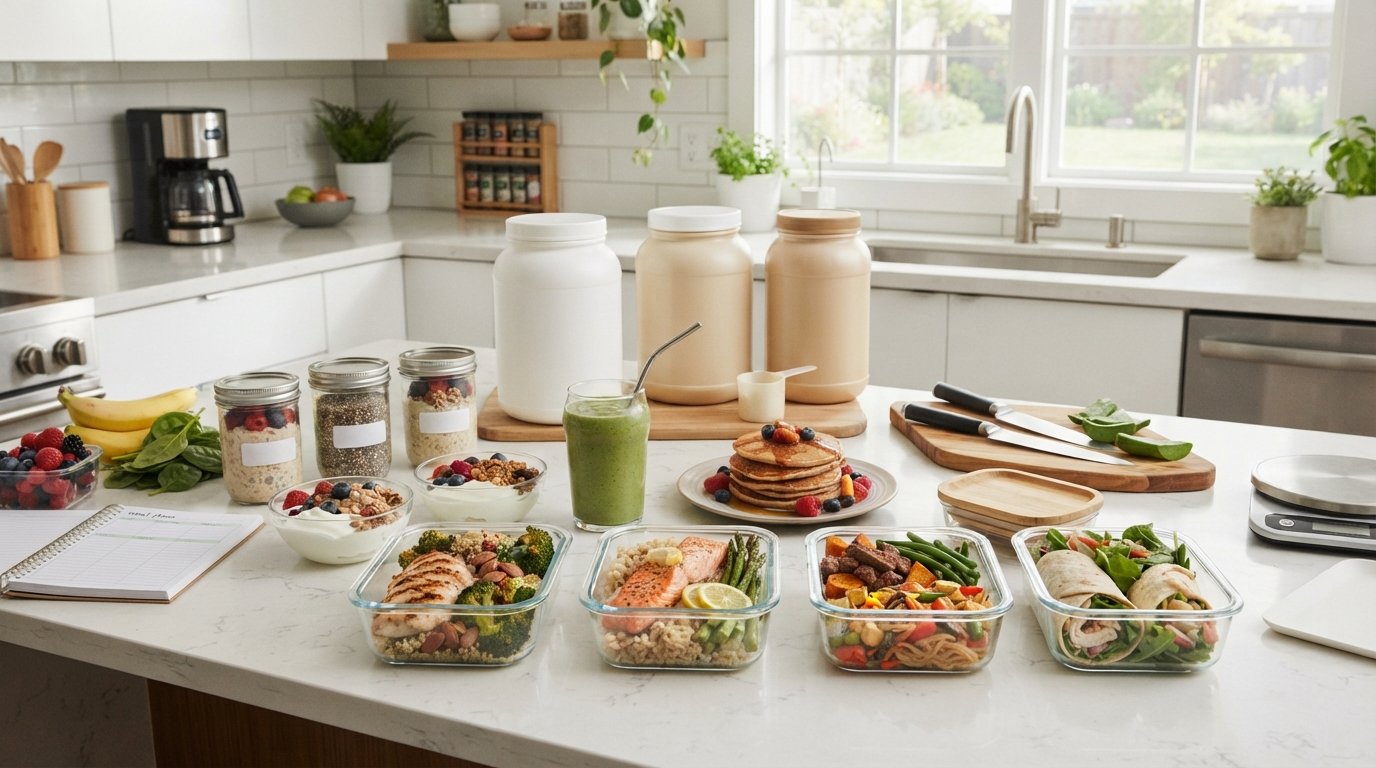
    Protein powder can make meal preparation faster, simpler, and more practical. Instead of relying on separate high-protein foods for every meal and snack, you can add protein powder to overnight oats, smoothies, pancakes, yogurt bowls, baked goods, and other prepared foods.

    But choosing the right product matters.

    The best protein powder for meal preparation is not necessarily the one with the highest protein content. Taste, texture, ingredients, mixability, dietary compatibility, and how well the powder works in recipes all affect whether it is useful for batch cooking.

    This guide covers the best protein powders for meal preparation in 2026, including whey, whey isolate, casein, and plant-based options.

    Best Protein Powders for Meal Preparation at a Glance

    Protein PowderBest ForProtein Type
    Optimum Nutrition Gold Standard 100% WheyOverall versatilityWhey blend
    Dymatize ISO100Lean, high-protein recipesHydrolyzed whey isolate
    Transparent Labs Whey Protein IsolateSimple ingredient profilesWhey isolate
    Optimum Nutrition Gold Standard 100% CaseinThick recipes and overnight mealsCasein
    Transparent Labs Organic Plant-Based ProteinDairy-free meal prepPlant-based
    Momentous 100% Plant ProteinVegan high-protein mealsPea and rice blend
    Naked WheyUnflavored recipe customizationWhey concentrate
    Huel Black EditionHigher-protein meal replacement preparationPlant-based meal replacement

    These products represent different use cases rather than one universal ranking. Current 2026 expert reviews also emphasize factors such as protein source, ingredient quality, mixability, added sugar, and third-party testing when evaluating protein powders. (Healthline)

    1. Optimum Nutrition Gold Standard 100% Whey

    Optimum Nutrition is one of the most versatile choices for general meal preparation.

    Whey protein works well in:

    • Smoothies
    • Overnight oats
    • Protein pancakes
    • Oatmeal
    • Yogurt bowls
    • Muffins
    • Energy bites

    Its popularity comes largely from its versatility. You can use it for a quick shake, but it also works in many everyday recipes.

    Best For

    People who want one protein powder for several different meal-prep recipes.

    Potential Drawback

    Whey-based powders may not be suitable for people with dairy allergies and may cause digestive discomfort for some people who are sensitive to lactose.

    2. Dymatize ISO100

    Dymatize ISO100 is a whey isolate option suited to people who want a high protein content without adding substantial amounts of carbohydrates or fat.

    Whey isolate can be useful in:

    • Lean smoothies
    • High-protein oatmeal
    • Protein yogurt bowls
    • Lower-calorie recipes
    • Post-workout meal preparation

    Because it is relatively light in texture, it is generally more suitable for drinks and softer foods than recipes where you specifically want a thick, creamy consistency.

    Best For

    People focused on lean, high-protein meal preparation.

    Potential Drawback

    Premium whey isolates often cost more than standard whey concentrate or whey blends.

    3. Transparent Labs Whey Protein Isolate

    Transparent Labs whey isolate is another strong option for meal preparation when you want a relatively simple formula and a high proportion of protein.

    It can work well in:

    • Smoothie packs
    • Oats
    • Homemade protein snacks
    • Pancake batter
    • Yogurt recipes

    Recent 2026 dietitian-reviewed comparisons have ranked Transparent Labs whey isolate highly and highlighted its protein content and third-party testing. (Healthline)

    Best For

    People who prioritize whey isolate and ingredient transparency.

    4. Optimum Nutrition Gold Standard 100% Casein

    Optimum Nutrition casein protein is particularly useful when texture matters.

    Casein naturally creates a thicker consistency than many whey powders. That makes it useful for:

    • Overnight oats
    • Protein pudding
    • Thick smoothie bowls
    • High-protein yogurt
    • Creamy dessert-style recipes

    It can also be useful for meal-prep recipes where you want the finished product to feel more substantial.

    Best For

    Thick, creamy, filling meal-prep recipes.

    Potential Drawback

    Casein may become too thick or clumpy if you add too little liquid.

    5. Transparent Labs Organic Plant-Based Protein

    For dairy-free and vegan meal preparation, a plant-based protein blend can be a practical alternative.

    Transparent Labs Organic Plant-Based Protein has been identified by recent 2026 reviews as a strong plant-based option, particularly because of its ingredient profile and third-party testing. (Forbes)

    Plant protein can work well in:

    • Overnight oats
    • Smoothies
    • Baked goods
    • Protein balls
    • Dairy-free breakfast recipes

    Best For

    Vegans and people avoiding dairy.

    Potential Drawback

    Plant proteins can have a different texture and flavor profile from whey, so they may require more experimentation in recipes.

    6. Momentous 100% Plant Protein

    Momentous offers a plant-based protein option that can be useful for people preparing vegan high-protein meals.

    Blends containing complementary plant proteins can help provide a broader amino acid profile than relying on a single plant protein source. Recent 2026 comparisons have included Momentous among notable vegan protein options. (Healthline)

    Try it in:

    • Vegan overnight oats
    • Smoothies
    • Homemade protein bars
    • Pancakes
    • Baked snacks

    Best For

    Vegan meal preparation and plant-based diets.

    7. Naked Whey

    Naked Nutrition can be useful for people who prefer fewer flavoring ingredients and want more control over the taste of their recipes.

    Unflavored protein powder is particularly practical for meal prep because you can add your own ingredients, such as:

    • Cocoa
    • Fruit
    • Cinnamon
    • Vanilla
    • Peanut butter
    • Coffee
    • Other spices and flavorings

    This gives you more flexibility than using a strongly flavored powder in every recipe.

    Best For

    People who want to customize recipes and avoid having every meal taste like vanilla or chocolate.

    Potential Drawback

    Unflavored protein powder may be less appealing when mixed only with water.

    8. Huel Black Edition

    Huel Black Edition is different from a standard protein powder because it is designed more as a nutritionally substantial meal replacement product.

    That can make it useful for people preparing quick meals when they need more than protein alone.

    Recent 2026 reviews have highlighted Huel Black Edition as a meal replacement option with high protein content. (Healthline)

    It may be useful for:

    • Quick breakfast preparation
    • Prepared smoothies
    • Busy workday meals
    • Higher-protein meal replacement shakes

    Best For

    People looking for a more complete meal-style option rather than a protein supplement alone.

    Potential Drawback

    It may not be as flexible as a plain protein powder for baking and recipe development.

    Whey vs Casein vs Plant Protein for Meal Prep

    Choosing the right type of protein matters more than blindly buying the most expensive tub.

    Whey Protein

    Whey is one of the most versatile options.

    Best for:

    • Smoothies
    • Pancakes
    • Oatmeal
    • Yogurt
    • General meal preparation

    Choose whey if you want an all-purpose protein powder.

    Whey Protein Isolate

    Whey isolate generally contains a higher proportion of protein and less lactose, carbohydrate, and fat than standard whey concentrate.

    Best for:

    • Lower-calorie recipes
    • High-protein meals
    • Smoothies
    • People who tolerate isolate better than concentrate

    Casein Protein

    Casein creates a thicker texture.

    Best for:

    • Overnight oats
    • Pudding
    • Thick smoothie bowls
    • Filling snacks

    Plant-Based Protein

    Plant-based powders are useful for people avoiding dairy or following a vegan diet.

    Best for:

    • Vegan recipes
    • Dairy-free meal prep
    • Overnight oats
    • Baking

    The best choice depends on the recipe. There is no reason to force one type of protein into every meal.

    What Makes a Protein Powder Good for Meal Preparation?

    A powder that tastes excellent in a shaker bottle may perform badly in overnight oats or baked recipes.

    Consider these factors.

    1. Protein Content

    Look at the amount of protein per serving, but do not stop there.

    Also examine:

    • Serving size
    • Calories
    • Carbohydrates
    • Fat
    • Added sugar

    A larger scoop can sometimes make a product appear to contain more protein than competing products.

    2. Taste

    This becomes extremely important when you are eating the same prepared meals for several days.

    A flavor you enjoy once may become unbearable by day four.

    For regular meal preparation, consider using:

    • Unflavored protein
    • Vanilla
    • Chocolate
    • Mild flavors that work with multiple recipes

    3. Mixability

    Poorly mixing powder can leave dry pockets or unpleasant clumps in prepared foods.

    Check whether the powder works well with:

    • Cold liquids
    • Oats
    • Yogurt
    • Batter
    • Blended recipes

    4. Ingredients

    Review the full ingredient list.

    Pay attention to:

    • Added sugar
    • Sugar alcohols
    • Artificial sweeteners
    • Thickening agents
    • Allergens

    Some ingredients can cause digestive problems in certain people. Recent guidance on protein powders also recommends checking for quality testing and avoiding excessive reliance on supplements as substitutes for a balanced diet. (Verywell Health)

    5. Third-Party Testing

    Protein powders are dietary supplements, and quality testing can provide additional assurance about ingredient identity and contamination screening.

    Look for reputable independent testing or certification where relevant to your needs, particularly if you are a competitive athlete.

    Best Protein Powder for Overnight Oats

    Casein is often the strongest choice when you want a thick, creamy texture.

    Whey can also work well, particularly if you add it carefully and use enough liquid.

    Plant-based protein may be suitable for dairy-free recipes, although texture varies significantly by brand.

    Simple High-Protein Overnight Oats

    Combine:

    • Rolled oats
    • Your preferred protein powder
    • Milk or a dairy-free alternative
    • Greek yogurt or a plant-based yogurt
    • Fruit
    • Chia seeds, if desired

    Prepare the mixture in individual containers and refrigerate according to safe food-storage practices.

    Best Protein Powder for Smoothie Meal Prep

    Whey isolate and standard whey protein are generally versatile choices for smoothies.

    For vegan smoothies, use a pea, rice, or blended plant protein.

    A practical method is to prepare smoothie ingredient packs in advance. Keep the dry or frozen ingredients portioned separately, then blend with liquid when ready.

    This usually produces a better texture than preparing every smoothie several days in advance.

    Best Protein Powder for Protein Pancakes

    Whey protein and whey blends are common choices for protein pancakes.

    However, too much powder can make pancakes:

    • Dry
    • Rubbery
    • Dense

    The solution is simple. Do not treat protein powder as flour.

    Use a balanced recipe containing ingredients such as oats, flour, eggs, yogurt, or other appropriate binders.

    Best Protein Powder for Baking

    Unflavored or mildly flavored protein powder is generally easier to use in baking.

    Good options include:

    • Unflavored whey
    • Vanilla whey
    • Unflavored plant protein
    • Vanilla plant protein

    Protein powder can be added to:

    • Muffins
    • Baked oatmeal
    • Pancakes
    • Protein bars
    • Snack bites

    But replacing all flour with protein powder is usually a bad idea. The texture can become dry and unpleasant.

    How Much Protein Powder Should You Add to Meal Prep?

    There is no universal amount.

    Your ideal serving depends on:

    • Total daily protein needs
    • Body size
    • Activity level
    • Other protein sources
    • Your overall diet
    • Individual health considerations

    Use the serving information on the product label as a starting point.

    More protein is not automatically better.

    The goal is to use protein powder to help meet your nutritional needs, not to turn every meal into a supplement.

    Common Meal Prep Mistakes to Avoid

    Using Protein Powder as a Complete Meal

    Protein powder mainly adds protein. A balanced meal also needs other nutrients.

    Depending on your needs, include foods such as:

    • Fruits
    • Vegetables
    • Whole grains
    • Healthy fats
    • Other whole-food protein sources

    Preparing Too Much at Once

    Do not make seven days of protein smoothies and assume they will maintain the same quality.

    Some foods separate, change texture, or have limited refrigerated storage time.

    Ignoring Food Safety

    Follow appropriate refrigeration and storage practices for prepared meals containing dairy, cooked ingredients, or other perishable foods.

    Buying Based Only on Marketing

    Terms such as “clean,” “natural,” and “premium” do not automatically tell you whether a product fits your nutritional needs.

    Read the actual nutrition and ingredient labels.

    How to Choose the Best Protein Powder for You

    Use this simple framework.

    Choose Whey Protein If:

    You want an affordable, versatile option for everyday recipes.

    Choose Whey Isolate If:

    You want a leaner macro profile or tolerate isolate better than regular whey concentrate.

    Choose Casein If:

    You make overnight oats, puddings, and other thick, filling recipes.

    Choose Plant Protein If:

    You are vegan, avoid dairy, or prefer plant-based ingredients.

    Choose Unflavored Protein If:

    You want maximum control over the flavor of your prepared meals.

    Choose a Meal Replacement Powder If:

    You need a quick option designed to provide more than protein alone.

    Frequently Asked Questions

    What is the best protein powder for meal preparation?

    For general versatility, a quality whey protein is often the easiest option. Casein works particularly well for thick recipes, while plant-based protein is suitable for dairy-free and vegan meal preparation.

    Can you add protein powder to meal-prep recipes?

    Yes. Protein powder can be added to smoothies, overnight oats, oatmeal, pancakes, yogurt, baked goods, and other recipes. The amount should be adjusted carefully because too much can negatively affect texture.

    Is whey or plant protein better for meal prep?

    Neither is automatically better. Whey is generally versatile and smooth, while plant protein is useful for dairy-free and vegan recipes.

    Can I prepare protein shakes for the entire week?

    It is usually better to prepare the ingredients in advance and mix or blend the shake closer to when you plan to drink it. This can help maintain better texture and quality.

    Is protein powder a meal replacement?

    Not usually. Standard protein powder primarily adds protein and does not automatically provide the carbohydrates, fats, fiber, vitamins, and minerals of a complete meal.

    Final Thoughts

    The best protein powder for meal preparation depends on what you are actually making.

    For an all-purpose option, whey protein remains highly versatile. For leaner recipes, whey isolate can be useful. Casein is better for thick and creamy preparations, while plant-based protein is the obvious choice for dairy-free and vegan meal prep.

    Do not obsess over brand rankings alone. A protein powder is only useful if it fits your dietary needs, works well in your recipes, and tastes good enough for you to use consistently.

    For most people, the smartest approach is to choose one versatile powder, test it in two or three recipes, and only then commit to buying a larger container.
  • Healthy Meal Delivery vs Meal Kits: Which Is Better in 2026?

    Healthy Meal Delivery vs Meal Kits: Which Is Better in 2026?

    Eating healthy sounds simple until you have to plan the meals, buy the ingredients, prepare everything, and clean the kitchen afterward. For people with demanding schedules, healthy meal delivery services and meal kits can make the process much easier.

    But these two options are not the same.

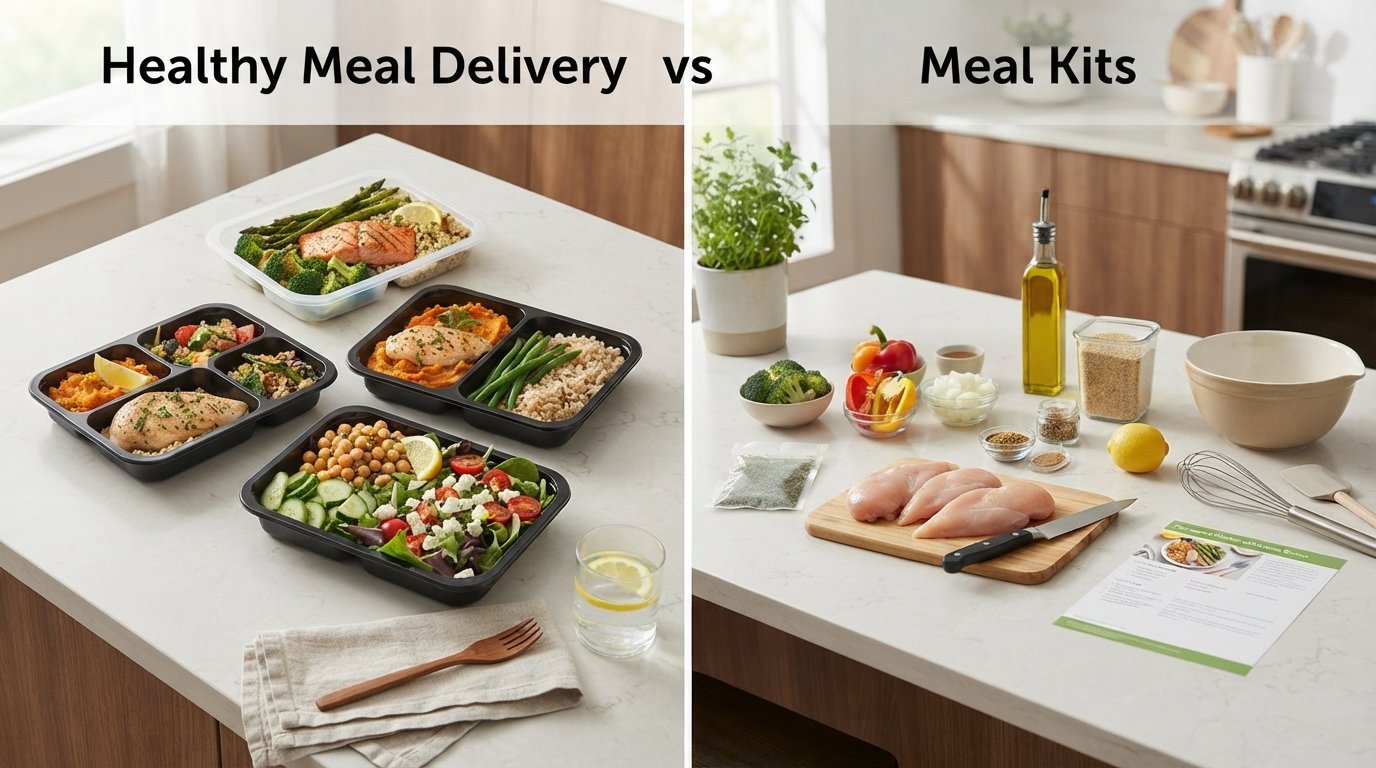
    Healthy meal delivery services typically send fully prepared meals that only need to be heated. Meal kits send pre-portioned ingredients and recipes that you cook yourself.

    So, which is better?

    The answer depends on how much time you have, how much you enjoy cooking, your dietary goals, your budget, and how much control you want over your meals.

    This guide compares healthy meal delivery vs meal kits across cost, convenience, nutrition, customization, cooking time, portion control, and overall value.

    Healthy Meal Delivery vs Meal Kits at a Glance

    FeatureHealthy Meal DeliveryMeal Kits
    PreparationUsually heat and eatCook at home
    ConvenienceVery highModerate
    Cooking requiredLittle or noneYes
    Time requiredUsually 2 to 10 minutesOften 20 to 45 minutes
    Ingredient controlLowerHigher
    Portion controlUsually built inDepends on recipe
    Meal varietyVaries by serviceUsually extensive
    Grocery shoppingMinimalMinimal
    Cooking experienceNot requiredHelpful
    Best forBusy peoplePeople who enjoy cooking
    Typical costOften higher per servingOften lower per serving

    Neither option is automatically healthier. The nutritional quality depends on the specific company, ingredients, recipes, portion sizes, and meals you choose.

    What Is a Healthy Meal Delivery Service?

    A healthy meal delivery service sends prepared meals directly to your home. Most meals arrive refrigerated or frozen and require little preparation.

    You generally:

    1. Receive the meals.
    2. Store them according to the company’s instructions.
    3. Heat the meal.
    4. Eat.

    Some services focus specifically on health-oriented diets, while others offer menus that can be filtered by nutritional preferences.

    Depending on the company, you may find:

    • High-protein meals
    • Low-calorie meals
    • Vegetarian meals
    • Vegan meals
    • Gluten-free meals
    • Low-carb meals
    • Heart-conscious options
    • Portion-controlled meals

    This format is particularly useful for people who want healthy food without spending much time in the kitchen.

    What Is a Meal Kit?

    A meal kit provides the ingredients and instructions needed to prepare a meal yourself.

    A typical box may contain:

    • Vegetables
    • Meat, poultry, seafood, or plant-based proteins
    • Grains or other carbohydrates
    • Sauces
    • Herbs and seasonings
    • Pre-portioned ingredients
    • Step-by-step recipes

    Instead of simply heating the food, you cook it yourself.

    This gives you greater control over cooking methods, ingredients, seasoning, and portion sizes.

    Healthy Meal Delivery vs Meal Kits: Convenience

    If convenience is your primary concern, prepared meal delivery has the clear advantage.

    A prepared meal can often go from refrigerator to table in only a few minutes.

    Meal kits still save time because you do not need to plan the recipe or shop for every ingredient, but you still need to:

    • Read the recipe
    • Prepare ingredients
    • Cook the food
    • Clean cookware
    • Wash dishes

    For someone who works long hours or has a busy family schedule, those additional steps can matter.

    Winner for Convenience: Healthy Meal Delivery

    Choose prepared meals if your biggest problem is lack of time.

    Which Is Healthier?

    This question is more complicated.

    Neither meal delivery nor meal kits are automatically healthy.

    A prepared meal can be nutritionally balanced, but it can also contain substantial amounts of sodium, saturated fat, or added sugars depending on the recipe.

    A meal kit can provide fresh vegetables, lean protein, and whole grains, but the nutritional quality depends on the recipe and how you prepare it.

    When comparing meals, examine:

    • Calories
    • Protein
    • Fiber
    • Sodium
    • Added sugar
    • Saturated fat
    • Vegetable content
    • Whole grains
    • Portion size

    Do not judge a meal simply because its packaging says “healthy.”

    Winner for Nutritional Control: Meal Kits

    Meal kits generally give you more control over ingredients and preparation. However, a high-quality prepared meal service can still provide nutritionally balanced meals.

    Meal Delivery vs Meal Kits for Weight Loss

    Both options can support weight management.

    The important factors are:

    • Total calorie intake
    • Portion size
    • Protein intake
    • Fiber
    • Food quality
    • Consistency
    • Overall eating pattern

    Prepared meals can make portion control easier because the serving size is predetermined.

    Meal kits can also support weight management, particularly when you select balanced recipes and control the amount of oil, sauces, cheese, and other calorie-dense ingredients you add during cooking.

    The bigger advantage of meal delivery is consistency. You know exactly what meal you are eating and, in many cases, have access to its nutritional information before ordering.

    The bigger advantage of meal kits is control.

    Best for Convenient Portion Control: Healthy Meal Delivery

    Best for Hands-On Control: Meal Kits

    Which Is More Affordable?

    Meal kits are often less expensive per serving than fully prepared meals, but the exact price depends on the company, order size, delivery fees, promotions, and menu selections.

    When calculating the real cost, include:

    • Price per serving
    • Delivery charges
    • Subscription fees
    • Minimum order requirements
    • Taxes
    • Promotional pricing
    • Regular renewal pricing

    Prepared meals can cost more because you are paying for additional labor, cooking, packaging, and convenience.

    However, price per serving is not the whole story.

    Consider how much you would normally spend on:

    • Groceries
    • Restaurant meals
    • Takeout
    • Food waste
    • Time spent shopping
    • Time spent cooking

    If meal delivery replaces several expensive takeout meals each week, the higher per-meal price may still make financial sense.

    Winner for Lower Per-Meal Cost: Meal Kits

    Meal Kits vs Prepared Meals for Busy Professionals

    If you work long hours, commute frequently, or have an unpredictable schedule, prepared meal delivery is usually more practical.

    You do not need to decide what to cook after a tiring day.

    The meal is already prepared, portioned, and ready to heat.

    Meal kits are better when you have enough time to cook and actually enjoy the process.

    A 30-minute meal may not sound like much, but when you add preparation, cooking, and cleanup, the total time can be considerably longer.

    Winner for Busy Schedules: Healthy Meal Delivery

    Meal Kits vs Meal Delivery for Families

    Families have different priorities.

    Prepared meals can make weekday dinners easier, especially when parents have demanding schedules.

    However, meal kits may be more useful for families that want to eat together and involve children in cooking.

    Meal kits can also make it easier to customize a meal. One family member can use more vegetables, another can reduce the sauce, and another can adjust the seasoning.

    The downside is that cooking larger portions takes more time.

    Best for Convenience: Prepared Meal Delivery

    Best for Family Cooking: Meal Kits

    Which Gives You More Control Over Ingredients?

    Meal kits win this category.

    When you cook the food yourself, you control:

    • Cooking oil
    • Salt
    • Seasoning
    • Sauce quantity
    • Portion size
    • Cooking method
    • Ingredient substitutions

    For example, if a recipe includes a high-sodium sauce, you can reduce the amount or replace it with an alternative.

    With prepared meals, you have less control because the food has already been cooked.

    You can still choose meals based on their ingredient and nutrition labels, but you cannot completely control how much of each ingredient was used.

    Which Has Better Portion Control?

    Prepared meal services generally have an advantage because portions are predetermined.

    This can be useful if you are trying to maintain a consistent calorie intake or avoid oversized portions.

    Meal kits can produce larger or smaller servings depending on the recipe and how you divide the food.

    If portion control is important to you, look for services that clearly display:

    • Calories per serving
    • Serving size
    • Protein
    • Carbohydrates
    • Fat
    • Fiber
    • Sodium

    Do not assume that a meal labeled “healthy” automatically contains an appropriate portion.

    Meal Variety

    Meal kits often provide a wide range of recipes each week.

    You may find:

    • Mexican-inspired dishes
    • Mediterranean meals
    • Asian-inspired recipes
    • Pasta
    • Grain bowls
    • Seafood
    • Chicken
    • Vegetarian meals
    • Vegan recipes

    Prepared meal services can also offer substantial variety, but some menus may become repetitive if you order frequently.

    Before subscribing, examine several weeks of menus rather than looking at a single week’s selection.

    A service may look impressive initially but become boring after a month.

    Meal Delivery vs Meal Kits for Dietary Restrictions

    If you have specific dietary requirements, read the ingredient information carefully.

    Depending on the service, you may find options for:

    • Gluten-free diets
    • Vegetarian diets
    • Vegan diets
    • Low-carb eating
    • High-protein diets
    • Lower-calorie diets
    • Dairy-free diets
    • Other dietary preferences

    However, a dietary filter does not necessarily mean that a service is suitable for a medically required diet.

    If you have celiac disease, a severe food allergy, or another condition requiring strict avoidance of an ingredient, investigate the company’s allergen and cross-contact policies.

    Do not rely solely on a menu label.

    Cooking Experience

    This is an underrated factor.

    If you enjoy cooking, meal kits can be a useful middle ground between grocery shopping and ordering takeout.

    You get:

    • A recipe
    • Pre-portioned ingredients
    • Cooking instructions
    • Less grocery shopping
    • Less meal planning

    You still get the satisfaction of making the meal yourself.

    If you dislike cooking, however, a meal kit can become another chore.

    There is no point paying for ingredients that will sit in your refrigerator because you are too busy to prepare them.

    Best for Cooking Enthusiasts: Meal Kits

    Best for People Who Dislike Cooking: Healthy Meal Delivery

    Food Waste

    Meal kits can reduce food waste because ingredients are generally portioned for a specific recipe.

    However, some ingredients may still be left over, particularly pantry items or larger packages.

    Prepared meal delivery can reduce food waste even further because meals are already portioned.

    On the other hand, prepared meals often use more packaging because individual meals need to be packaged, refrigerated, and transported.

    So the environmental impact is not simply about food waste.

    You should also consider:

    • Packaging materials
    • Refrigeration
    • Transportation
    • Ingredient sourcing
    • Food waste

    Which Is Better for Learning to Cook?

    Meal kits are the obvious choice.

    They can teach you:

    • Knife skills
    • Cooking techniques
    • Ingredient combinations
    • Portioning
    • Seasoning
    • Recipe planning

    For someone who wants to become more comfortable in the kitchen, meal kits can provide structured practice without requiring a trip to the grocery store for every ingredient.

    Prepared meals do not provide the same educational benefit.

    Which Is Better for Long-Term Healthy Eating?

    Neither option should replace your ability to make basic food decisions.

    Meal delivery can make healthy eating easier, but you should still understand nutrition and learn how to prepare simple meals independently.

    Meal kits can help develop cooking skills that remain useful after the subscription ends.

    For long-term lifestyle change, the strongest approach may be a combination of both.

    For example, you might use prepared meals on extremely busy weekdays and meal kits or home-cooked meals when you have more time.

    Healthy Meal Delivery vs Meal Kits: Pros and Cons

    Healthy Meal Delivery

    Pros

    • Extremely convenient
    • Minimal preparation
    • Predictable portions
    • Easy access to nutritional information
    • Useful for busy schedules
    • Less cooking and cleanup

    Cons

    • Often more expensive
    • Less control over ingredients
    • More packaging
    • Limited ability to customize meals
    • Some menus can become repetitive

    Meal Kits

    Pros

    • More control over ingredients
    • Fresh ingredients
    • Cooking experience
    • Wide recipe variety
    • Less grocery shopping
    • Often lower cost per serving

    Cons

    • Requires cooking
    • Requires cleanup
    • Takes more time
    • Portions may require more attention
    • Still requires refrigerator space and meal planning

    How to Choose Between Meal Delivery and Meal Kits

    Ask yourself five questions.

    1. How much time do I have?

    If you have almost no time, choose prepared meals.

    2. Do I enjoy cooking?

    If yes, meal kits may provide more value.

    3. What is my budget?

    If keeping costs down is important, compare meal kits with prepared services and calculate the full weekly cost.

    4. Do I need strict portion control?

    Prepared meals can make this easier.

    5. Do I have specific dietary requirements?

    Choose a service that clearly accommodates your needs and provides transparent ingredient and allergen information.

    Is Healthy Meal Delivery Worth the Money?

    Healthy meal delivery can be worth the cost if convenience is your priority.

    It can reduce the temptation to order fast food when you are tired and make it easier to maintain a consistent meal schedule.

    However, you are paying a premium for convenience.

    If you have enough time to cook and enjoy preparing food, a meal kit or regular grocery shopping may provide better value.

    Are Meal Kits Worth the Money?

    Meal kits can be worthwhile for people who want to cook more often but dislike meal planning and grocery shopping.

    They provide structure without completely removing the cooking process.

    The main question is whether you will actually prepare the meals.

    If you consistently cook the meals, they can be useful. If they sit untouched in your refrigerator, they are an expensive waste.

    Frequently Asked Questions

    Is healthy meal delivery better than meal kits?

    Neither is universally better. Prepared meal delivery is better for convenience and portion control, while meal kits are better for cooking, ingredient control, and learning new recipes.

    Are meal delivery services actually healthy?

    Some are, but not all. Review calories, protein, fiber, sodium, added sugar, saturated fat, ingredients, and portion sizes rather than relying on marketing claims.

    Are meal kits healthier than takeout?

    They can be. Meal kits give you greater control over ingredients and cooking methods, which can make it easier to prepare balanced meals at home.

    Are prepared meals good for weight loss?

    They can support weight management when portions and overall calorie intake are appropriate for your needs. A prepared meal alone does not guarantee weight loss.

    Which is cheaper, meal kits or prepared meals?

    Meal kits are often cheaper per serving, while prepared meals generally cost more because you are paying for cooking and convenience.

    Can meal kits help me learn to cook?

    Yes. Meal kits provide recipes, measured ingredients, and cooking instructions, making them useful for people who want to develop basic cooking skills.

    Can I use both meal delivery and meal kits?

    Yes. Combining the two can be a practical strategy. Use prepared meals when time is limited and meal kits when you have time to cook.

    Final Verdict: Healthy Meal Delivery vs Meal Kits

    So, which is better?

    Choose healthy meal delivery if you value convenience, have limited time, want predictable portions, or simply do not want to cook.

    Choose meal kits if you enjoy cooking, want greater control over ingredients, want to learn new recipes, and prefer preparing meals yourself.

    There is no universal winner.

    The better option is the one you will actually use consistently.

    If your biggest obstacle to healthy eating is time, prepared meal delivery is probably the smarter choice. If your biggest obstacle is meal planning and grocery shopping, a meal kit may solve the problem without taking cooking away from you.

    And if your schedule changes from week to week, there is nothing wrong with using both.

    Healthy eating does not require perfection. It requires a system that fits your actual life, not the life you wish you had.

  • Best Gluten-Free Meal Delivery Services in 2026

    Best Gluten-Free Meal Delivery Services in 2026

    Finding convenient meals can be difficult when you follow a gluten-free diet. Reading ingredient labels, avoiding hidden sources of gluten, planning meals, and preventing cross-contact can turn everyday eating into unnecessary work.

    That is where gluten-free meal delivery services can help. Some companies deliver ready-to-eat meals directly to your door, while others provide meal kits with pre-portioned ingredients and recipes you prepare at home.

    However, not every service that offers a gluten-free filter provides the same level of protection against cross-contact. This distinction is particularly important for people with celiac disease or other medically diagnosed gluten-related conditions.

    In this guide, we compare some of the best gluten-free meal delivery services in 2026 based on menu variety, convenience, dietary accommodations, preparation requirements, and gluten-free practices.

    Quick Comparison of the Best Gluten-Free Meal Delivery Services

    Meal Delivery ServiceBest ForMeal TypeGluten-Free Approach
    Green ChefBest overallMeal kitsCertified Gluten-Free Safe Spot and dedicated gluten-free menu options
    ModifyHealthSpecific dietary needsPrepared mealsGluten-free meals with strong dietary specialization
    EpicuredLow-FODMAP dietsPrepared mealsEntire menu is gluten-free and low FODMAP
    Trifecta NutritionFitness-focused eatingPrepared mealsMany meals are gluten-free
    Daily HarvestPlant-based eatingReady-to-blend and prepared foodsGluten-free menu
    CookUnityChef-prepared varietyPrepared mealsClearly labeled gluten-free options

    Service offerings, prices, menus, delivery areas, and gluten-free procedures can change. Always check the company’s current information before placing an order. Recent 2026 comparisons identify Green Chef, Epicured, Trifecta, and other specialized services among notable options for gluten-free meal delivery. (Healthline)

    1. Green Chef: Best Overall Gluten-Free Meal Delivery Service

    Green Chef is one of the strongest options for people who want meal kits specifically designed to fit a gluten-free lifestyle. Instead of receiving fully prepared meals, customers receive pre-portioned ingredients and recipe instructions to cook at home.

    The service offers a dedicated gluten-free meal option and has been recognized as a Gluten-Free Safe Spot business by the Gluten Intolerance Group. This makes it a particularly notable choice for people who place a high priority on gluten-free standards. (Healthline)

    Why Green Chef Stands Out

    • Dedicated gluten-free meal options
    • Meal kits with pre-portioned ingredients
    • Rotating weekly menu
    • Multiple serving-size options
    • Options that can also fit other dietary preferences
    • Strong focus on ingredient quality and balanced meals

    Best For

    Green Chef is best for people who enjoy cooking but want to eliminate much of the planning, shopping, and ingredient measuring.

    Potential Drawback

    You still need to prepare the meals yourself. If your priority is opening a package and eating immediately, a fully prepared meal delivery service may be a better choice.

    2. ModifyHealth: Best for Specialized Dietary Needs

    ModifyHealth is designed around specific nutritional requirements and offers prepared meals for people following several dietary approaches. Its options include gluten-free meals and plans focused on other needs, such as digestive health and heart-conscious eating. Recent 2026 reviews also identify the service as a strong option for people who need highly specialized dietary accommodations. (Mealfan)

    The biggest advantage is convenience. These are prepared meals, meaning you do not need to spend significant time cooking.

    Why ModifyHealth Stands Out

    • Focus on specialized dietary requirements
    • Prepared meals that require minimal effort
    • Clear nutrition and ingredient information
    • Suitable for individuals who want convenience
    • Options designed around multiple dietary needs

    Best For

    ModifyHealth can be a practical choice for people who need meals tailored to specific dietary restrictions and do not want to cook every day.

    Potential Drawback

    Prepared meal subscriptions may provide less flexibility than cooking your own meals, and menu preferences can be highly individual.

    3. Epicured: Best for Gluten-Free and Low-FODMAP Diets

    Epicured is a particularly specialized option because its menu is designed to be both gluten-free and low FODMAP. The service offers prepared meals as well as other food options, including snacks and selected sides or desserts. (Healthline)

    Low-FODMAP eating is often used as part of dietary management for certain digestive symptoms under appropriate professional guidance. Because Epicured combines this approach with a gluten-free menu, it offers a more targeted service than general meal delivery companies.

    Why Epicured Stands Out

    • Gluten-free menu
    • Low-FODMAP options
    • Fully prepared meals
    • Wide variety of meal categories
    • Helpful dietary filters

    Best For

    Epicured is best suited to people looking for a convenient gluten-free service with additional low-FODMAP options.

    Potential Drawback

    Specialized meal services can be more expensive than standard grocery shopping, particularly when you order several prepared meals each week.

    4. Trifecta Nutrition: Best for Fitness and High-Protein Eating

    Trifecta Nutrition focuses heavily on prepared meals for people interested in structured nutrition and fitness-oriented eating. Many of its meals are gluten-free, and the company offers a range of options for people focused on protein intake, calorie management, and other nutrition goals. However, people who require strict protection from gluten should carefully review the company’s current cross-contact and preparation information before ordering. (Healthline)

    Why Trifecta Nutrition Stands Out

    • Prepared meals with minimal preparation
    • Fitness and nutrition-focused options
    • High-protein meal choices
    • Suitable for busy lifestyles
    • Regular meal delivery options

    Best For

    This service may appeal to active individuals, athletes, and people who want structured prepared meals without spending time cooking.

    Potential Drawback

    Not every meal delivery service with gluten-free options operates from a dedicated gluten-free facility. Always check the latest allergen and cross-contact information if you have celiac disease or require strict gluten avoidance.

    5. Daily Harvest: Best for Plant-Based Gluten-Free Meals

    Daily Harvest is a useful option for people who want more plant-based convenience foods. Its offerings include smoothies, bowls, soups, and other quick meal options, and recent comparisons have identified it as a notable plant-based choice with gluten-free offerings. (Healthline)

    The service can work well for people who want to keep convenient food available at home without preparing every meal from scratch.

    Why Daily Harvest Stands Out

    • Strong focus on plant-based foods
    • Convenient meal and snack options
    • Quick preparation
    • Variety beyond traditional lunch and dinner meals
    • Suitable for people looking for simple meal solutions

    Best For

    Daily Harvest is best for people who prefer plant-based foods and want convenient options for busy days.

    Potential Drawback

    It may not be the ideal choice for someone looking specifically for large, traditional prepared dinner portions.

    6. CookUnity: Best for Chef-Prepared Variety

    CookUnity offers chef-prepared meals and a broad range of menu choices, including meals labeled as gluten-free. This makes it attractive for people who want variety without cooking every day. Recent 2026 comparisons have highlighted its large selection of chef-made meals and clearly labeled gluten-free options. (Mealfan)

    However, a gluten-free label is not automatically equivalent to preparation in a dedicated gluten-free facility. People with celiac disease should carefully review current allergen procedures and cross-contact information before choosing any service.

    Why CookUnity Stands Out

    • Chef-prepared meals
    • Broad menu variety
    • Convenient heat-and-eat format
    • Dietary filters for different preferences
    • Options for people who want more variety than a standard meal plan

    Best For

    CookUnity can be a strong option for people who want restaurant-style variety and minimal preparation.

    Potential Drawback

    The level of gluten-free protection may differ from a service that uses dedicated gluten-free facilities or third-party certification.

    How to Choose the Best Gluten-Free Meal Delivery Service

    The right service depends on more than taste and price. You need to understand exactly what “gluten-free” means for the company you are considering.

    1. Check for Certification or Dedicated Gluten-Free Facilities

    This is one of the most important factors, especially for people with celiac disease.

    Some services offer gluten-free menu filters while preparing food in facilities that also handle gluten-containing ingredients. Others use stricter procedures, dedicated facilities, or third-party gluten-free certification.

    Recent reviews consistently emphasize that customers with celiac disease should pay particular attention to cross-contact controls rather than relying only on a gluten-free label. (Healthline)

    Do not skip this step.

    2. Decide Between Meal Kits and Prepared Meals

    There are two main types of meal delivery services.

    Meal Kits

    Meal kits provide ingredients and instructions. You cook the meal yourself.

    They are suitable if you:

    • Enjoy cooking
    • Want fresher preparation
    • Prefer more control over the cooking process
    • Do not mind spending time in the kitchen

    Prepared Meals

    Prepared meals arrive ready to heat and eat or require very little preparation.

    They are suitable if you:

    • Have a busy schedule
    • Do not enjoy cooking
    • Want maximum convenience
    • Need quick lunches or dinners

    The choice is straightforward. Do not pay for convenience you do not need, and do not subscribe to meal kits if you know you have no time to cook them.

    3. Compare the Real Cost

    Do not compare services using only the advertised price per serving.

    Look at:

    • Price per meal
    • Shipping costs
    • Minimum order requirements
    • Number of meals required each week
    • Discounts for first-time customers
    • Additional fees
    • Subscription renewal terms

    Some services become more affordable when you order larger quantities, while others may be expensive for a single person ordering only a few meals.

    4. Review the Menu Before Subscribing

    A service can claim to offer gluten-free meals and still provide very limited choices that you actually want to eat.

    Check whether the menu includes enough variety in:

    • Breakfast
    • Lunch
    • Dinner
    • Vegetarian options
    • High-protein meals
    • Dairy-free meals
    • Family-friendly dishes
    • International cuisines

    A rotating menu can help prevent meal fatigue.

    5. Consider Other Dietary Requirements

    Gluten-free is often only one part of a person’s dietary needs.

    You may also need meals that are:

    • Dairy-free
    • Low FODMAP
    • Vegetarian
    • Vegan
    • High in protein
    • Lower in calories
    • Lower in sodium
    • Suitable for specific medically recommended dietary patterns

    Choose a service that can handle your complete needs instead of solving one problem while creating another.

    Are Gluten-Free Meal Delivery Services Safe for People With Celiac Disease?

    The answer depends entirely on the service and its food-handling procedures.

    This is where many articles become careless. A company having a “gluten-free” filter does not necessarily mean every meal is prepared in a dedicated gluten-free environment.

    For someone simply choosing to avoid gluten, a shared facility may be acceptable depending on their personal needs. For someone with celiac disease, the risk of cross-contact can be a much more serious consideration.

    Before ordering, check the company’s current information regarding:

    • Dedicated gluten-free facilities
    • Third-party certification
    • Allergen handling
    • Ingredient sourcing
    • Cross-contact prevention
    • Preparation and packaging procedures

    Green Chef, for example, has been identified in recent 2026 reviews as a Gluten-Free Safe Spot business, while other services may offer gluten-free meals without operating exclusively gluten-free facilities. (Healthline)

    If you have celiac disease or another diagnosed condition requiring strict gluten avoidance, discuss your individual dietary requirements with a qualified healthcare professional or registered dietitian.

    Are Gluten-Free Meal Delivery Services Worth the Cost?

    They can be, but only if they solve a real problem for you.

    A meal delivery service may be worth the money if it saves you time, reduces grocery shopping, makes meal planning easier, or helps you find suitable meals more consistently.

    However, it is usually more expensive than buying basic ingredients and cooking everything yourself.

    The best value comes from choosing the service that matches your lifestyle. For example:

    • Choose a meal kit if you enjoy cooking but hate grocery shopping.
    • Choose prepared meals if time is your biggest problem.
    • Choose a specialized service if you have complex dietary requirements.
    • Choose a service with stronger gluten-free controls if cross-contact is a major concern.

    Do not subscribe simply because a service has a large introductory discount. Check the regular price first.

    Frequently Asked Questions

    What is the best gluten-free meal delivery service?

    Green Chef is one of the strongest overall choices because it offers dedicated gluten-free options and has been recognized as a Gluten-Free Safe Spot business. However, the best service for you depends on whether you want meal kits or prepared meals and how strictly you need to avoid gluten. (Healthline)

    Are all gluten-free meal delivery services safe for celiac disease?

    No. A service may offer gluten-free meals while still preparing food in a facility that handles gluten-containing ingredients. People with celiac disease should investigate certification, dedicated facilities, and current cross-contact procedures before ordering. (Healthline)

    What is the cheapest gluten-free meal delivery service?

    Pricing changes frequently based on location, order size, promotions, shipping, and menu selection. The cheapest option is not always the best value, particularly if it does not meet your dietary requirements. Compare the full weekly or monthly cost before subscribing.

    Are prepared gluten-free meals better than meal kits?

    Neither is automatically better. Prepared meals offer maximum convenience, while meal kits give you more involvement in cooking and may provide greater control over preparation.

    Can families use gluten-free meal delivery services?

    Yes. Some meal kit companies offer multiple serving sizes, making them suitable for couples and families. Before subscribing, check whether enough gluten-free meals are available for the number of people you need to feed.

    Do gluten-free meal delivery services offer other dietary options?

    Many do. Depending on the company, you may find options that are vegetarian, vegan, dairy-free, high-protein, low FODMAP, or designed around other dietary preferences.

    Final Thoughts

    The best gluten-free meal delivery service is not simply the one with the lowest price or the largest menu. The right choice depends on how strictly you need to avoid gluten, whether you want to cook, how much you are willing to spend, and what other dietary requirements you have.

    For an all-around meal kit experience, Green Chef stands out because of its dedicated gluten-free options and recognized gluten-free safety practices. ModifyHealth and Epicured are strong choices for people seeking more specialized dietary support, while Trifecta Nutrition, Daily Harvest, and CookUnity may appeal to people prioritizing fitness, plant-based foods, or chef-prepared convenience. (Healthline)

    The crucial point is simple: never assume that a gluten-free label tells you everything about food safety. Review the company’s current allergen information, understand how the food is prepared, and choose a service that genuinely matches your dietary needs.